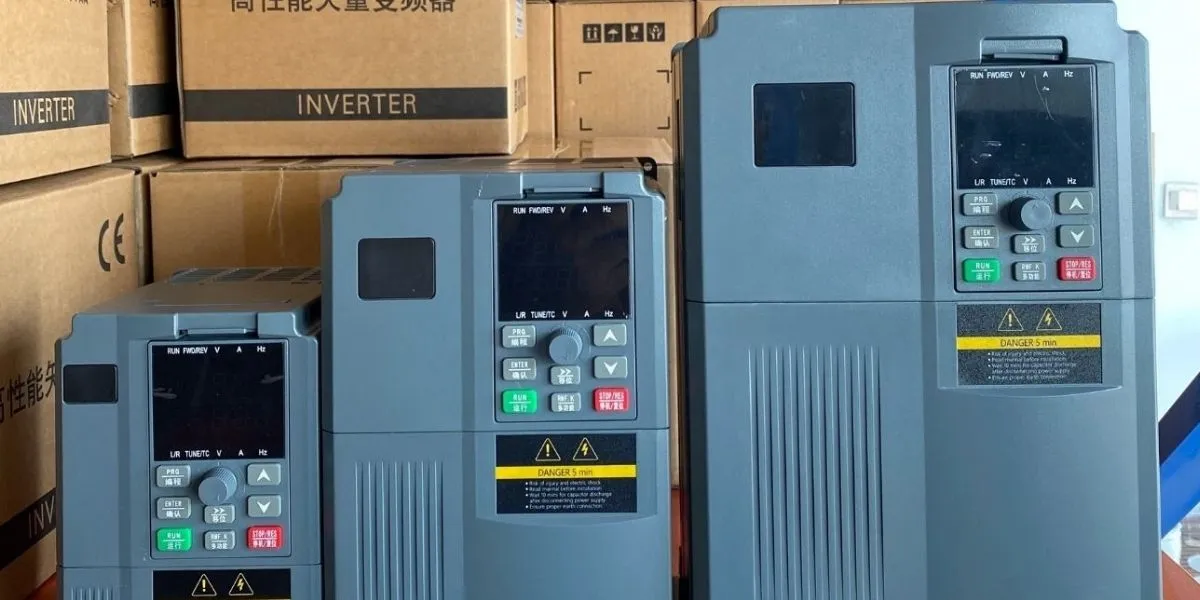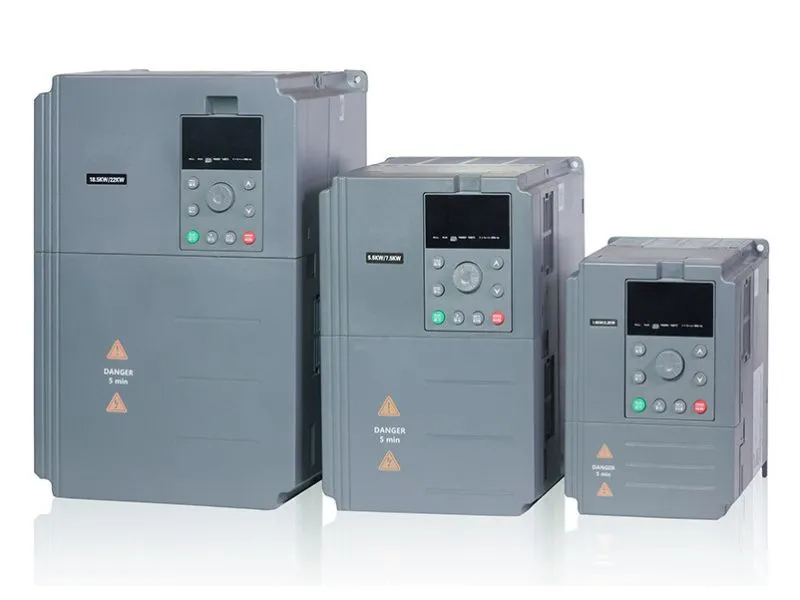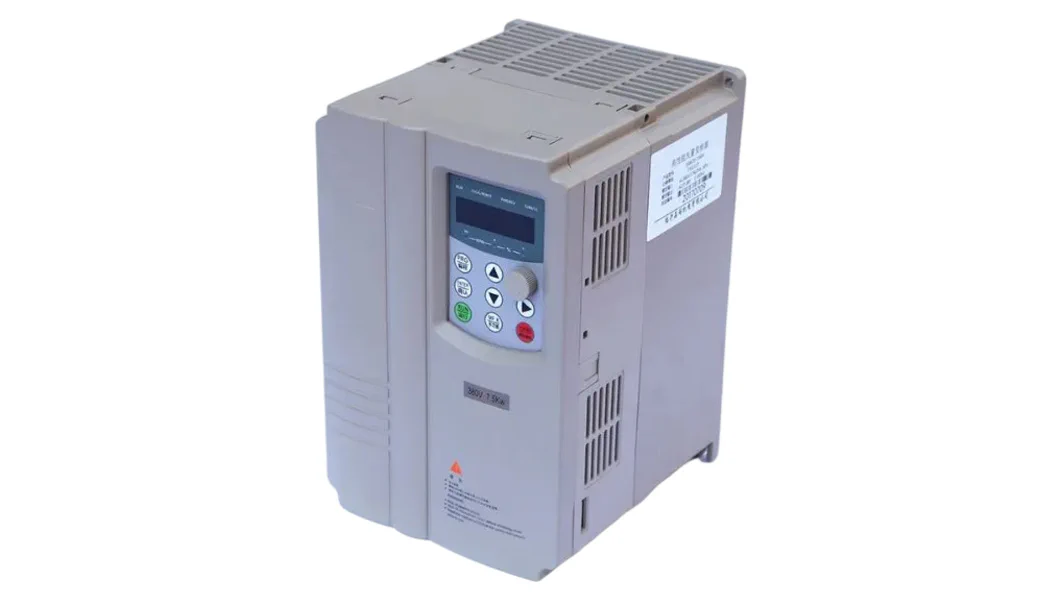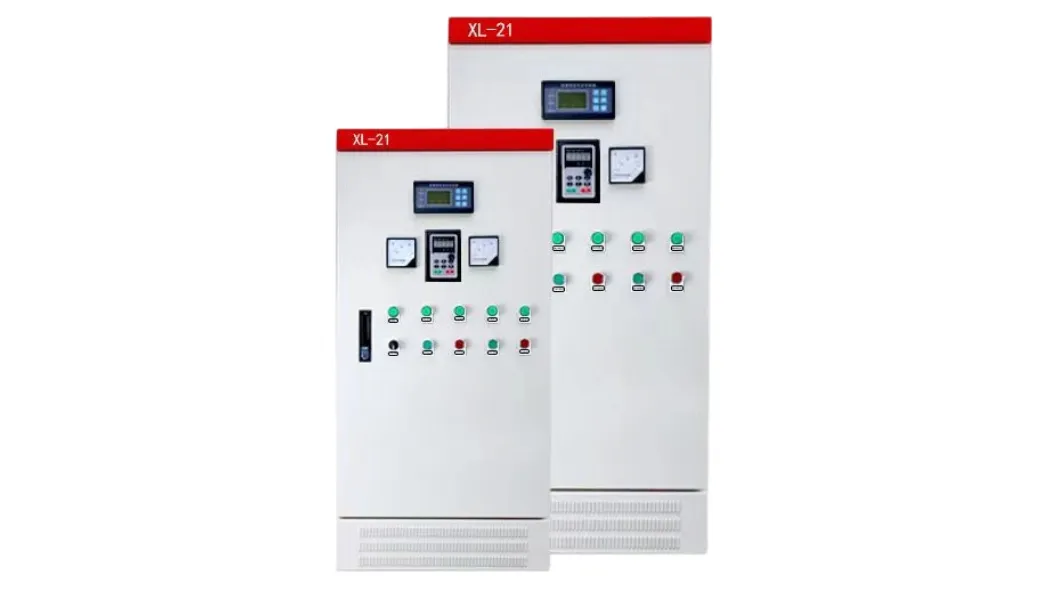
The Advantages of Variable Frequency Drives (VFDs): Unlocking Energy Efficiency and Operational Excellence

Liu Technician
Automation System EngineerFocused on industrial automation and VFD design, with 10 years of experience in industrial control system integration, specializing in factory automation transformation and energy management system implementation.
Key Takeaways
- VFD technology can reduce industrial motor energy consumption by 20%-50%, with particularly significant savings in fan and pump applications.
- 75% of industrial motors operate with variable torque loads (fans, pumps, compressors), which are the primary application scenarios for VFD energy savings.
- The typical Payback Period is only 6-12 months, with some cases achieving ROI within a few months.
- Globally, if all applicable motors were equipped with VFDs, electricity consumption could be reduced by 10%.
Introduction
According to data from the International Energy Agency (IEA), industrial motor systems consume approximately 45% of the world’s electricity, yet most of these motors still run at fixed speeds, resulting in massive energy waste. Amid the global pursuit of carbon neutrality, Variable Frequency Drives (VFDs) have evolved from an optional technology into a core solution for industrial energy efficiency and sustainability. In this article, we explore the key advantages of VFD technology and how it compares to traditional control methods.
1. Energy Efficiency and Cost Savings
The most significant advantage of VFDs is their energy-saving potential. According to Danfoss, using VFDs can reduce electricity or fuel consumption by 40%, and in certain applications, by as much as 80%. These savings stem from the VFD’s ability to precisely control motor speed to match actual load demand, rather than running at full speed as traditional Direct-On-Line (DOL) systems do.
In variable torque applications, the savings are even more pronounced. According to the Affinity Laws, power consumption is proportional to the cube of the speed. For example, reducing motor speed by 20% can save approximately 50% of energy, while a 10% reduction saves about 27%. This cubic relationship means even minor speed adjustments lead to substantial energy savings.
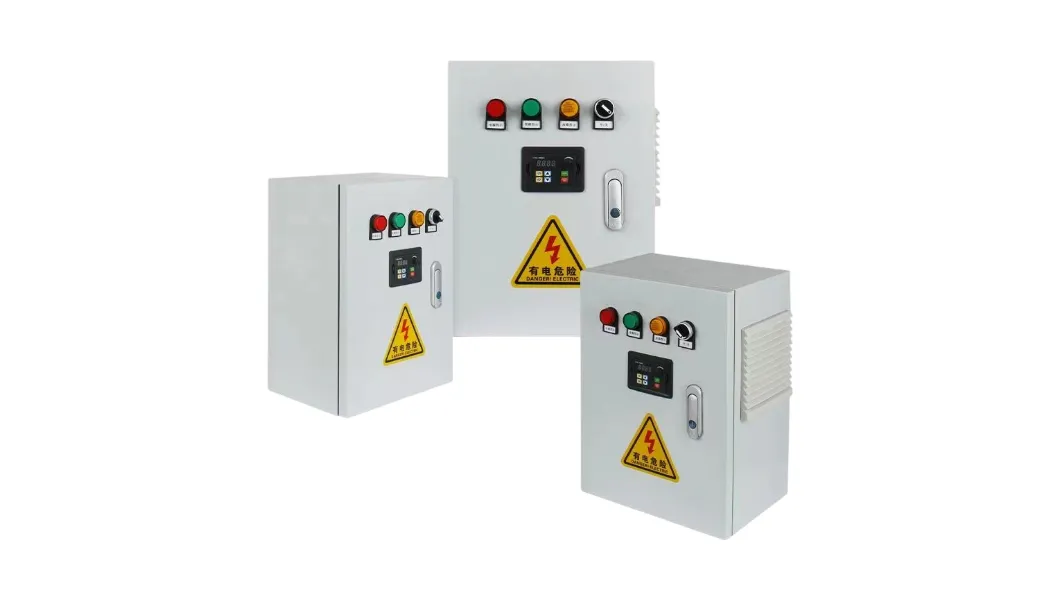
Our Variable Frequency Drive Control Cabinet solutions are specifically designed to maximize these energy savings through optimized VFD selection and integration.
2. Rapid Return on Investment (ROI)
The payback period for a VFD is typically 6-12 months, with some cases breaking even in just months. For instance, a 7.5 kW pump operating 8,000 hours per year at an electricity rate of $0.10/kWh results in an annual power cost of $6,000. By installing a VFD and reducing the motor speed by 5Hz (10%), energy savings of 27% can be achieved—saving $1,600 per year and $40,500 over the total lifecycle.
This rapid ROI makes VFDs an attractive investment for businesses looking to reduce operational costs while enhancing sustainability. Combined with our Online Soft Starter solutions, you can achieve even greater efficiency in your motor control systems.
3. Extended Equipment Lifespan
VFDs reduce mechanical stress and electrical shock during motor startup through soft start and soft stop functions. Traditional DOL starts generate inrush currents up to 6-8 times the rated current, whereas a VFD keeps the starting current below the rated level, thereby extending the life of the motor and associated equipment.
According to ABB, using VFDs can extend motor life by 20%-30% and reduce maintenance costs by 18%-33%. This is because VFDs reduce the frequency of motor starts/stops, lower the wear on mechanical components, and minimize impact on the power grid.
4. Enhanced Process Control Precision
VFDs provide precise speed and torque control, making industrial processes more stable and efficient. For example, in the pharmaceutical and food processing industries, precise speed control ensures consistent product quality; in material handling, VFDs enable smooth acceleration and deceleration, reducing product damage.
Our GGD Low Voltage Distribution Cabinet systems can be integrated with VFDs to create comprehensive power distribution and control solutions that optimize both energy usage and process precision.
5. Environmental and Sustainability Benefits
Energy savings from VFDs translate directly into carbon emission reductions. According to the IEA, over 1.75 million tons of CO2 emissions were avoided globally in 2023 through the use of VFDs. If all applicable motors worldwide were equipped with VFDs, annual electricity consumption could drop by 10%, equivalent to closing 600 coal-fired power plants.
By implementing VFD technology, businesses can not only reduce operational costs but also contribute to global sustainability goals and meet increasingly stringent environmental regulations.
6. Comparison: VFD vs. Traditional Control Methods
| Comparison Dimension | VFD Control | Traditional Control (Throttling/Damper) |
|---|---|---|
| Energy Efficiency | High (Speed on demand) | Low (Full speed + mechanical throttling) |
| Equipment Life | Extended by 20%-30% | Normal wear and tear |
| Maintenance Cost | Reduced by 18%-33% | Higher |
| Process Control | Precise and adjustable | Limited control |
| Payback Period | 6-12 months | No direct ROI |
Industrial Case Studies
- Oil & Gas: Rockwell Automation deployed 130 PowerFlex 755TR regenerative drives for a global energy company, projected to save $3 million in energy costs per month while achieving 17% energy regeneration.
- Metal Processing: Green Hydraulic Power used VFD technology to achieve 50%-75% energy savings for customers and reduced noise levels by 20 decibels.
- Mining: Energy Drive installed VFDs for the ventilation system at the Sibanye-Stillwater gold mine, achieving 62% energy savings and reducing carbon emissions by 379,000 tons per year.
VFD Applications Across Industries
VFDs find applications in a wide range of industries, including:
- Water and Wastewater: Constant pressure water supply systems using our Constant Pressure Water Supply VFD Control Cabinet solutions
- HVAC: Building automation systems for heating, ventilation, and air conditioning
- Manufacturing: Conveyor systems, machine tools, and production lines
- Renewable Energy: Wind turbines and solar power generation systems
- Transportation: Electric vehicles, elevators, and escalators
Market Trends and Future Outlook
According to Market Data Forecast, the global VFD market is projected to grow from $15.9 billion in 2024 to $20.6 billion by 2033, representing a CAGR of 2.9%. This growth is primarily driven by:
- Industrial Automation Advancement: Increasing adoption of smart manufacturing and Industry 4.0
- Energy Efficiency Regulations: Stricter government mandates for energy conservation
- Cost Reduction: Falling VFD prices and improved technology
- Renewable Energy Integration: Growing demand for variable speed control in renewable energy systems
Conclusion
VFD technology has become a cornerstone of industrial automation and energy conservation. Its significant energy savings, rapid ROI, extended equipment life, and improved process precision make it a vital tool for achieving sustainability goals. As global focus on energy efficiency and carbon reduction intensifies, the demand for VFDs is expected to grow steadily.
By investing in VFD technology and integrating it with complementary solutions like our GCS AC Low Voltage Drawer Cabinet and Low Voltage VFD, businesses can unlock substantial operational benefits while contributing to a more sustainable future.
The data clearly shows that VFDs are not just an investment in technology, but an investment in long-term operational excellence and environmental stewardship. With their proven track record of performance and rapidly improving ROI, VFDs represent one of the most effective tools available for industrial energy management today.