Soft Starter Core Advantages Comparison: Stability as Core, Building Foundation of Industrial Operation

Technician Li
Automation System EngineerFocused on industrial automation and soft starter design, with 10 years of experience in industrial control system integration, specializing in factory automation transformation and energy management system implementation.
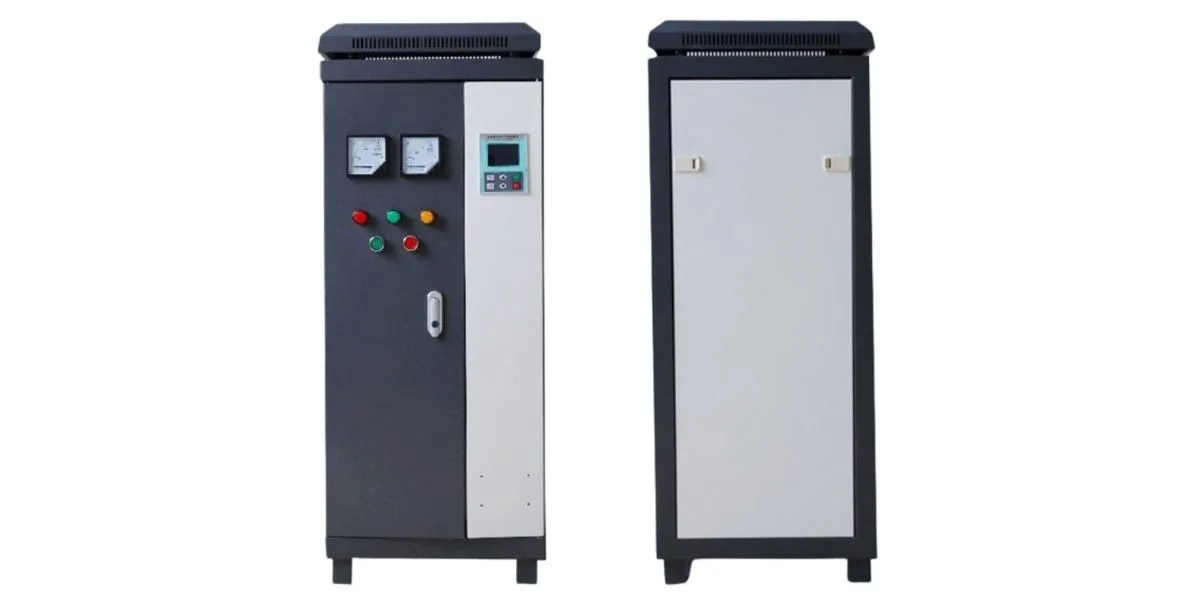
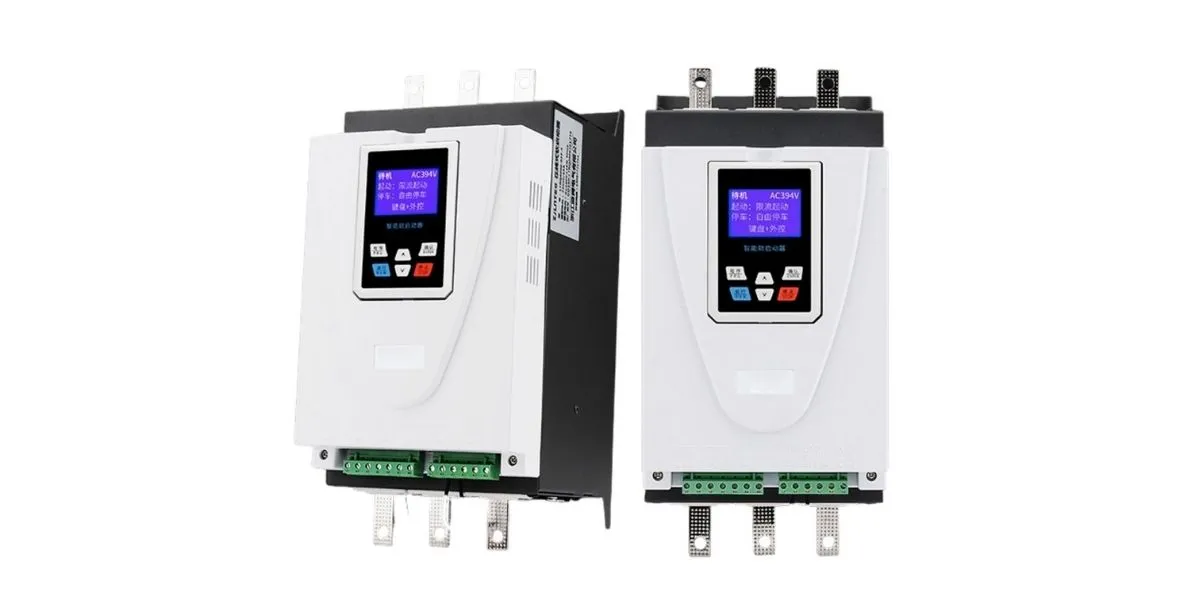
In industrial production scenarios, motors are core power equipment, and their starting and operation stability directly determine production efficiency, equipment life, and operational safety. With precise control technology, comprehensive protection mechanisms, and design adapted to complex operating conditions, soft starters form significant advantages in stability compared to traditional starting methods and some similar control equipment, becoming a reliable choice for motor control in the industrial field. For more advantage comparisons of soft starters, please refer to Soft Starter Core Advantages Comparison: Redefining Efficiency and Reliability in Motor Control.
I. Comparison with Traditional Starting Methods: From “Impact Disturbance” to “Smooth Controllable”, Comprehensive Stability Upgrade
1.1 Comparison with Direct Starting: Avoiding Impact Risks, Ensuring Power Grid and Equipment Stability
- Current Stability Control: During direct starting, motor instantaneous current can reach 5-8 times the rated current, easily causing power grid voltage drops and fluctuations, leading to false shutdowns or faults of other equipment on the same power grid. Soft starters use thyristor voltage regulation technology to smoothly limit starting current within 1.5-4 times the rated current (can be precisely adjusted through parameters), avoiding severe impact on the power grid and maintaining stable power supply even in weak power grid environments.
- Equipment Operation Stability: The instantaneous torque impact of direct starting can cause motor winding deformation and aggravated bearing wear, while also triggering transmission system faults such as gear meshing impact and belt slippage. Long-term use will significantly reduce equipment reliability. Soft starters achieve gradual increase in motor speed through smooth starting modes such as voltage ramp and torque ramp, significantly reducing mechanical impact, lowering equipment failure rate, and extending service life of motors and load equipment.
- Operating Condition Adaptation Stability: Direct starting is only suitable for small power motors. When starting large power motors, windings may be burned due to current overload or protection tripping may be triggered. Soft starters cover a power range of 5.5kW-400kW, adapting to rated currents of 11A-800A, can stably drive squirrel cage asynchronous motors of different power segments, without worrying about startup failure caused by power mismatch.
1.2 Comparison with Star-Delta Starting: Eliminating Switching Disturbance, Strengthening Operation Stability
- Starting Process Stability: Star-delta starting relies on contactor switching to achieve conversion between star and delta connections. There is secondary current impact at the instant of switching, easily causing motor vibration and voltage fluctuations, and starting torque is fixed and cannot adapt to complex loads. Soft starters do not require switching connection methods, achieve smooth starting through continuous voltage regulation, and starting curves can be customized according to load characteristics (such as fans, compressors, pumps). The starting process is impact-free and vibration-free, and stability is not affected by load type.
- Protection Mechanism Stability: Star-delta starting only has basic starting functions and lacks real-time monitoring of motor operating status. When faults such as phase loss, overload, and voltage abnormalities occur, it cannot respond in time, easily leading to equipment damage. Soft starters integrate multiple protection functions including input phase loss, output phase loss, overload, overvoltage, undervoltage, and three-phase unbalance, monitoring motor current, voltage, and equipment temperature in real-time, and quickly triggering protection actions when abnormalities occur, avoiding fault expansion and ensuring stable system operation.
- Wiring and Maintenance Stability: Star-delta starting requires multiple contactors and relays, with complex wiring and many failure points. After long-term operation, contactor contact wear easily causes poor contact, affecting starting stability. Soft starters adopt modular integrated design with simple wiring and few failure points, and have fault self-diagnosis function that can quickly locate problems, reduce maintenance downtime, and ensure continuous stable equipment operation.
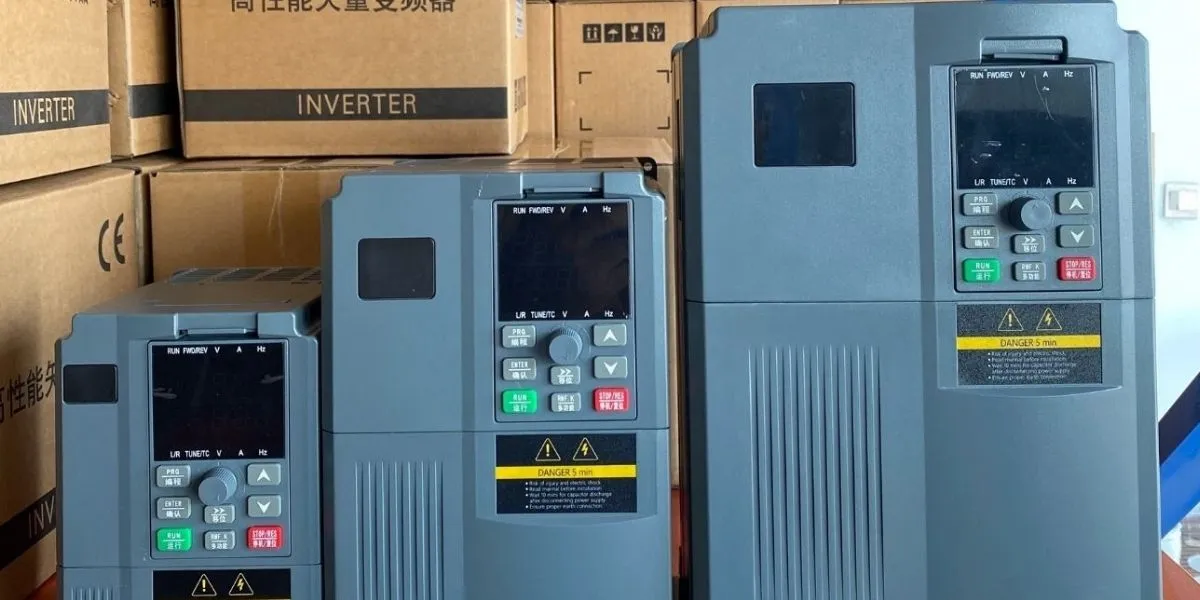
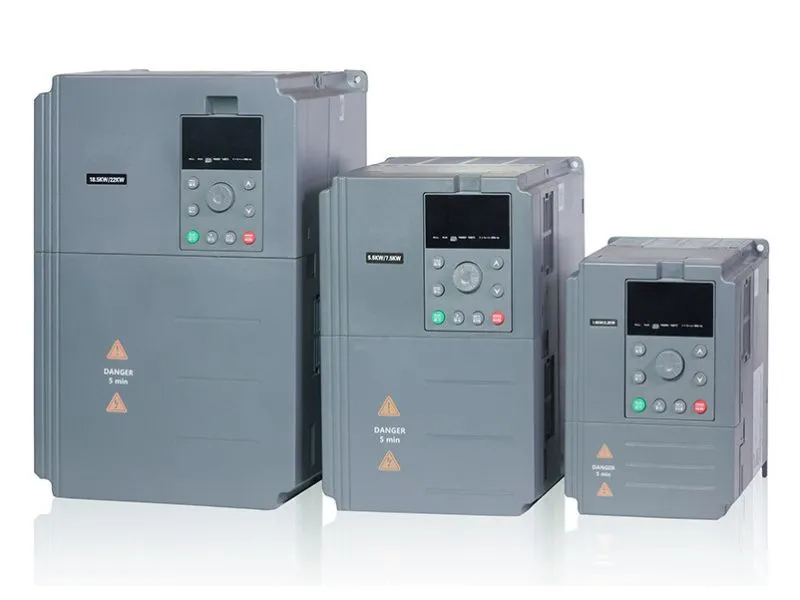
II. Comparison with VFDs: Focusing on Fixed-Speed Scenarios, Stability Better Matches Essential Needs
2.1 Operation Environment Stability: Adapting to Complex Operating Conditions, No Additional Protection Needed
- Environment Adaptation Capability: VFDs have strict requirements for installation environment, requiring control of temperature, humidity, and electromagnetic interference, otherwise faults easily occur. Soft starters have a protection rating of IP20, can stably operate in environments of -10°C~+40°C, relative humidity below 95%RH (no condensation), and have strong anti-electromagnetic interference capability. No additional shielding or filtering equipment is needed, and they can be directly installed and used in ordinary industrial plants and workshops.
- Heat Dissipation Stability: VFDs generate large amounts of heat during operation and rely on professional heat dissipation systems. Poor heat dissipation easily leads to module damage. Soft starters adopt forced air cooling design with optimized heat dissipation structure, and can maintain stable temperature even during long-term continuous operation, avoiding protection shutdown triggered by overheating.
2.2 Operation Status Stability: No Harmonic Interference, Ensuring System Compatibility
- Power Grid Compatibility: VFDs generate harmonic pollution during operation, affecting power grid quality and potentially causing faults in other precision equipment, requiring additional filter configuration. After starting is complete, thyristors of soft starters are fully conductive, operating approximately at power frequency, generating no harmonics, and will not cause interference to the power grid and surrounding equipment, ensuring stable compatibility of the entire power system.
- Avoiding Functional Redundancy: VFDs have complex functions, and speed control related modules remain idle for long periods (fixed-speed scenarios), easily increasing failure risk. Soft starters focus on starting and protection of fixed-speed motors, with streamlined functions focused on core needs, no redundant modules, and lower failure probability during operation, providing more guaranteed stability.
III. Soft Starter’s Own Stability Advantages: Multiple Designs Building Reliable Defense Lines
3.1 Hardware and Structure Stability: Solid Design, Adapting to Long-Term Operation
- Core Component Selection: Uses high-quality thyristors, circuit boards, and relays that have undergone strict reliability testing, with strong anti-aging and anti-impact capabilities, adapting to long-term continuous operation needs of industrial scenarios.
- Optimized Structural Design: The body structure is compact with stable installation and fixing methods. Vibration tolerance reaches below 0.5G, and it can maintain stable operation even in industrial environments with slight vibration, avoiding problems such as loose wiring caused by vibration.
3.2 Parameter and Protection Stability: Precise Regulation, Avoiding False Triggering
- Adjustable Parameter Adaptation: Core parameters such as overload level, overvoltage/undervoltage protection multiples, and three-phase unbalance can all be precisely set as needed (such as overload level adjustable from 1-30 levels), can be optimized according to different motors and load characteristics, avoiding protection function false triggering or failure, ensuring operation stability.
- Fault Response Mechanism: Has a complete fault detection and response system. Whether it’s external faults (such as external terminal signal abnormalities) or internal faults (such as thyristor breakdown, circuit board faults), it can quickly identify and trigger trip protection, while clearly displaying fault information through the panel for quick troubleshooting, reducing downtime.
3.3 Customized Stability: Adapting to Special Scenarios, Ensuring Exclusive Needs
- Special Operating Condition Customization: Supports customized designs for explosion-proof, low-temperature, high-voltage, and ultra-high altitude scenarios. For altitudes above 2000 meters, stable operation can be maintained through derating configuration, meeting usage needs of special environments such as mines, petrochemicals, and plateau areas.
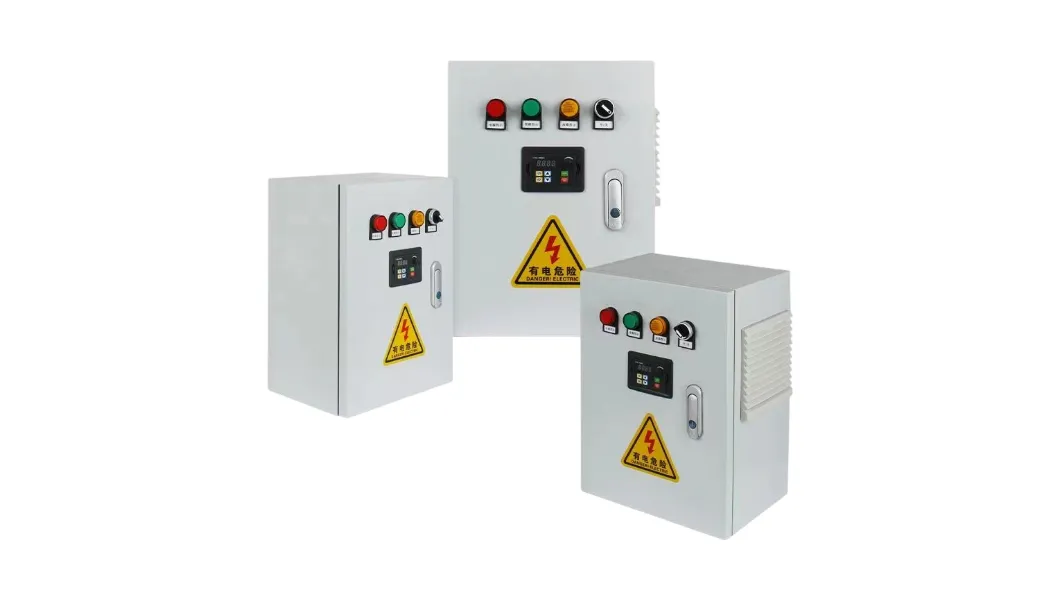
- Supporting Function Stability: For specific equipment such as water pumps, supports supporting functions such as float balls, electric contact pressure gauges, and liquid level relays, achieving automatic start-stop without additional controllers, with stable function linkage, avoiding operation fluctuations caused by third-party equipment compatibility issues.
For industrial motor scenarios mainly based on fixed-speed operation, soft starters form stability advantages with “low impact, strong adaptation, and few faults” as the core, solving operation disturbance problems of traditional starting methods while avoiding over-configuration and environmental limitations of VFDs in essential scenarios. Whether it’s general motors in ordinary production workshops or heavy-duty load equipment under special operating conditions, soft starters can provide continuous stable guarantee for motor operation through solid hardware design, comprehensive protection mechanisms, and flexible adaptation capabilities, helping industrial production achieve cost reduction, efficiency improvement, and safe operation. As an important component of industrial automation, soft starters play an important role in Application and Advantages of Smart Power Distribution Systems in Modern Factories.