Soft Starter Core Advantages Comparison: Redefining Efficiency and Reliability in Motor Control

Technician Li
Automation System EngineerFocused on industrial automation and soft starter design, with 10 years of experience in industrial control system integration, specializing in factory automation transformation and energy management system implementation.
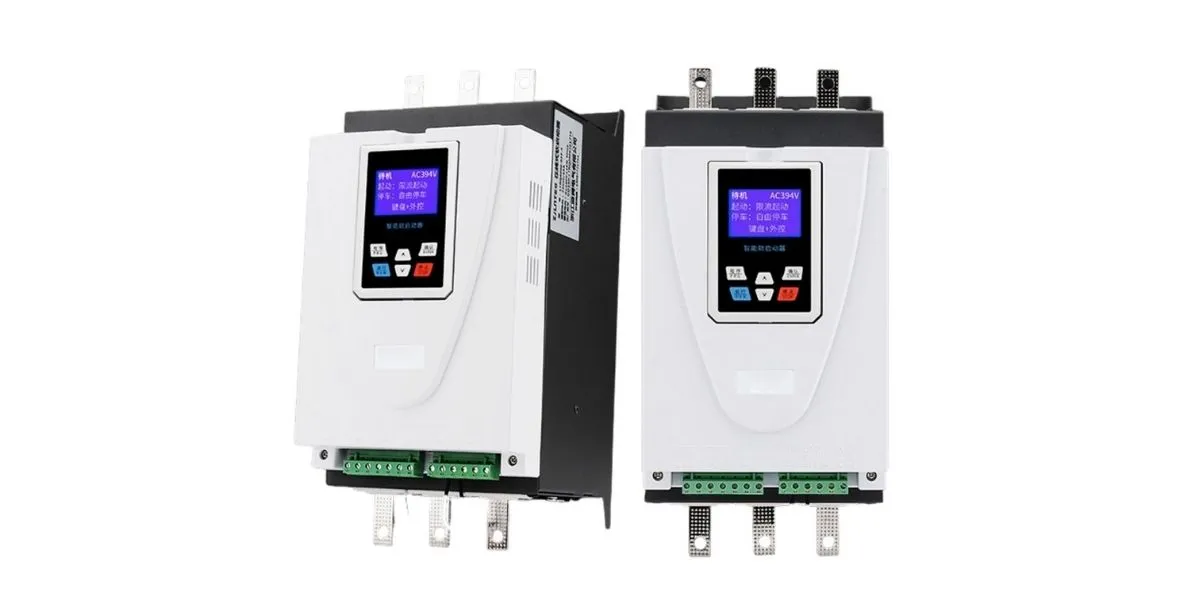
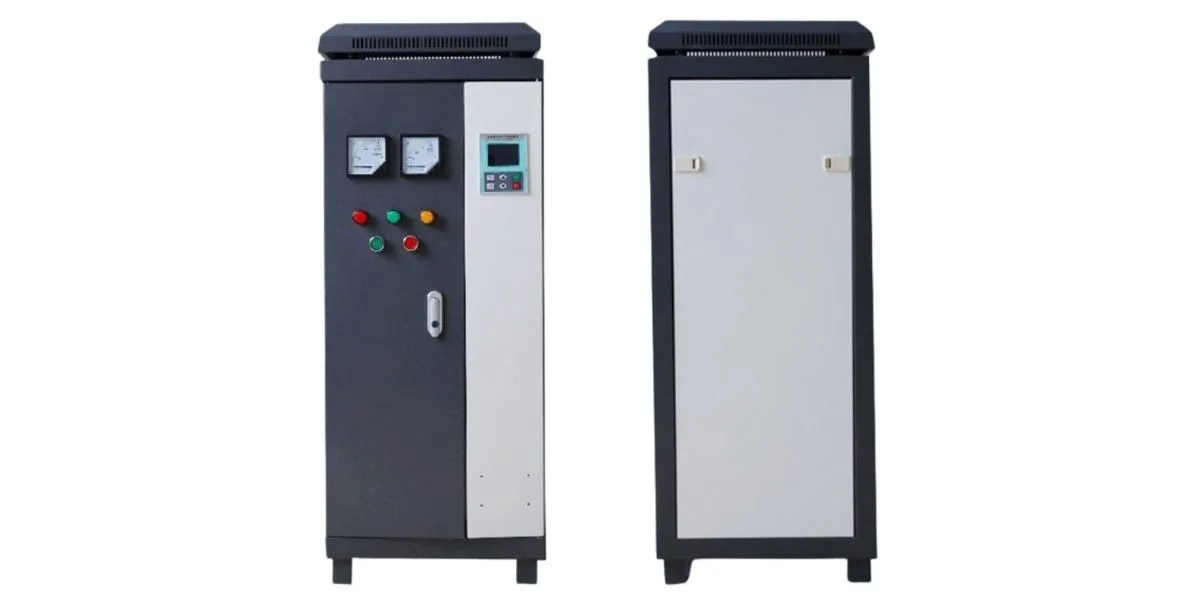
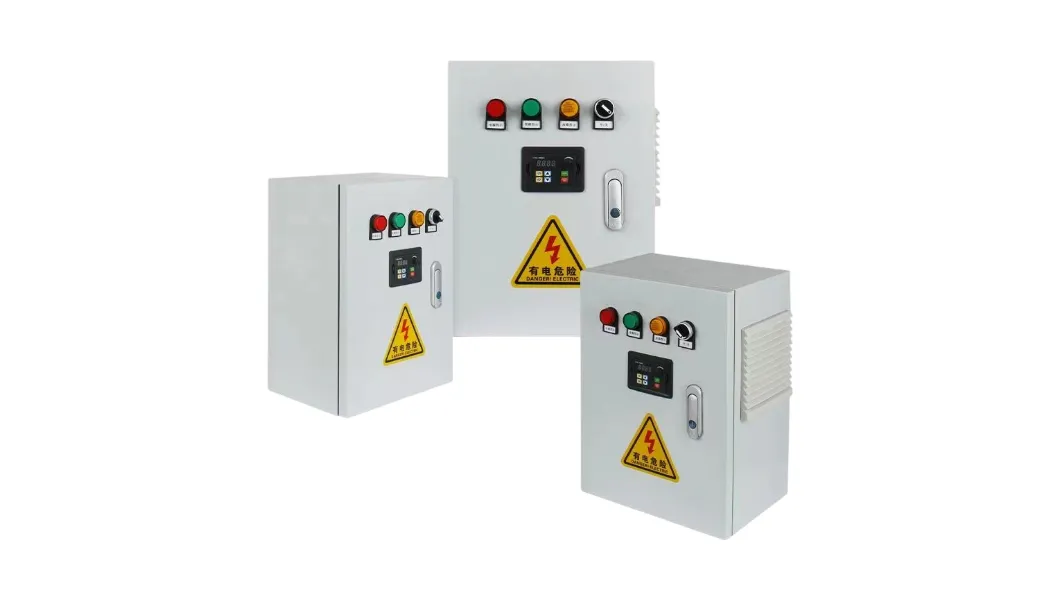
In motor drive scenarios for industrial production, the choice of starting method directly affects equipment life, power grid stability, and operating costs. With precise voltage regulation technology, soft starters form unique advantages that balance performance, cost, and safety compared to traditional direct starting, star-delta starting, and some high-end control equipment, becoming the preferred solution for most operating conditions. For more advantages of soft starters in terms of stability, please refer to Soft Starter Core Advantages Comparison: Stability as the Core, Building the Foundation of Industrial Operation.
I. Comparison with Traditional Starting Methods: Farewell to Impacts, Protecting Equipment and Power Grid
1.1 Comparison with Direct Starting: From “Hard Impact” to “Soft Transition”
- Current Impact Control: During direct starting, motor current can reach 5-8 times the rated current, easily causing power grid fluctuations, voltage drops, and even triggering protection tripping. Soft starters use thyristor voltage regulation to smoothly control starting current within 1.5-4 times the rated current, avoiding failure risks even in weak power grid environments.
- Mechanical Loss Protection: The instantaneous torque impact of direct starting can cause gear collisions, belt slippage and breakage, pipeline water hammer effects, and other problems. Soft starters achieve smooth acceleration through voltage or torque ramp control, significantly reducing wear on transmission components and extending the service life of motors and load equipment.
- Equipment Adaptability: Direct starting is only suitable for small power motors. In high-power scenarios, motor windings may be burned due to current impact. Soft starters cover a power range of 5.5kW-400kW, adapting to various operating condition requirements of squirrel cage asynchronous motors.
1.2 Comparison with Star-Delta Starting: Function Upgrade, More Flexible Operation
- Starting Performance Optimization: Star-delta starting can only achieve fixed mode switching, with limited starting torque and secondary impact during switching. Soft starters provide three starting curves: voltage ramp, current limit, and torque, which can customize parameters according to different load characteristics such as pumps, fans, and compressors, adapting to complex operating conditions.
- Comprehensive Protection Functions: Star-delta starting only has basic starting functions, without overload, phase loss, overvoltage, and other protections. Soft starters integrate multiple protection mechanisms, can monitor motor operating status in real-time, and quickly cut off the circuit when abnormalities occur, avoiding equipment damage.
- Installation and Maintenance: Star-delta starting requires multiple contactors and relays, with complex wiring and many failure points. Soft starters adopt modular design with compact structure and simple wiring, resulting in lower later maintenance costs.
II. Comparison with VFDs: Precise Matching, Better Cost-Performance
2.1 Cost and Applicable Scenario Adaptation: Rejecting Over-Configuration
- Procurement and Operation Maintenance Costs: VFD prices are typically 2-3 times that of soft starters of the same power, and require professional personnel for debugging. Soft starters are reasonably priced, putting less procurement pressure on small and medium-sized enterprises. Basic models do not require complex debugging, and factory parameters can directly adapt to conventional scenarios.
- Avoiding Functional Redundancy: VFDs focus on speed control and are suitable for scenarios requiring frequent speed changes. Soft starters focus on the starting and protection of fixed-speed motors, without redundant speed control functions. For constant-speed running equipment such as fans and water pumps, they are a more economical choice.
2.2 Installation and Operation Stability: Simplifying Processes, Reducing Risks
- Installation Complexity: VFDs have strict requirements for installation environment and heat dissipation conditions, and are susceptible to electromagnetic interference. Soft starters have a protection rating of IP20 or above, strong anti-interference capability, adapt to -10°C~+40°C wide temperature environments, and can be directly installed in ordinary industrial scenarios.
- Operation Energy Consumption: VFDs generate harmonic pollution during long-term operation and require additional filter configuration. After starting is complete, the thyristors of soft starters are fully conductive, operating approximately at power frequency, with low energy consumption and no harmonic interference, eliminating the need for additional auxiliary equipment.
III. Core Differentiated Advantages of Soft Starters: Practical Choice for All-Scenario Adaptation
3.1 Multi-Function Integration: One Device Meets Multiple Needs
- Flexible Control Modes: Supports local keyboard, remote control, communication control, and combined control modes. Can access Modbus systems through RS485 interface to achieve centralized monitoring of multiple devices, adapting to integration needs of automated production lines.
- Rich Extension Functions: Equipped with 4-20mA analog output and relay interfaces, can link with sensors and PLCs. Some models support soft stopping and DC braking functions, meeting stopping needs in special scenarios.
3.2 High Reliability and Convenience: Worry-Free Operation and Maintenance, Stable Operation
- Standardization and Compatibility: Complies with international standards such as IEC and NEMA, adapts to multiple voltage levels such as 220V/380V, can be integrated into different power supply systems, and can be conveniently replaced for both new and old equipment retrofit.
- Convenient Operation and Diagnosis: Equipped with bilingual LCD panel with clear button functions, can quickly adjust parameters and query fault records. Some models support dedicated software diagnosis, which can accurately locate contactor faults, power grid voltage abnormalities, and other problems, shortening repair time.
3.3 Customized Adaptation: Covering Special Operating Condition Needs
- Special Scenario Customization: Supports customized designs for explosion-proof, low-temperature, high-voltage, and other scenarios, can adapt to harsh environments such as mines, building materials, and petrochemicals. When used in ultra-high altitude areas, stable operation can be guaranteed through derating configuration.
- Adjustable Protection Parameters: Overload level, overvoltage/undervoltage protection multiples, three-phase unbalance, and other parameters can all be set as needed, precisely matching the operating characteristics of different loads, avoiding protection false triggering.
With “smooth starting, comprehensive protection, and high cost-performance” as the core, soft starters solve the impact and loss problems of traditional starting methods while avoiding the functional redundancy and high cost of VFDs, becoming the ideal choice for fixed-speed motor control in industrial production. Whether it’s general scenarios for small and medium-sized enterprises or heavy-duty load conditions for large equipment, soft starters can achieve the dual goals of cost reduction, efficiency improvement, and safe operation through their flexible configuration and reliable performance. As important equipment for motor control, soft starters are also an indispensable component in Application and Development of Smart Power Distribution Systems in Industrial Fields.