Application and Advantages of Smart Power Distribution Systems in Modern Factories

Technician Li
Automation System EngineerFocused on industrial automation and smart power distribution system design, with 10 years of experience in industrial control system integration, specializing in factory automation transformation and energy management system implementation.
With the rapid development of Industry 4.0 and intelligent manufacturing, traditional power distribution systems can no longer meet the needs of modern factories for energy management, equipment monitoring, and fault warning. As an important part of industrial automation, smart power distribution systems are gradually becoming the core solution for energy management in modern factories.
1. Core Components of Smart Power Distribution Systems
Smart power distribution systems are integrated systems that incorporate multiple advanced technologies, mainly composed of the following core components:
1. Smart Power Distribution Equipment
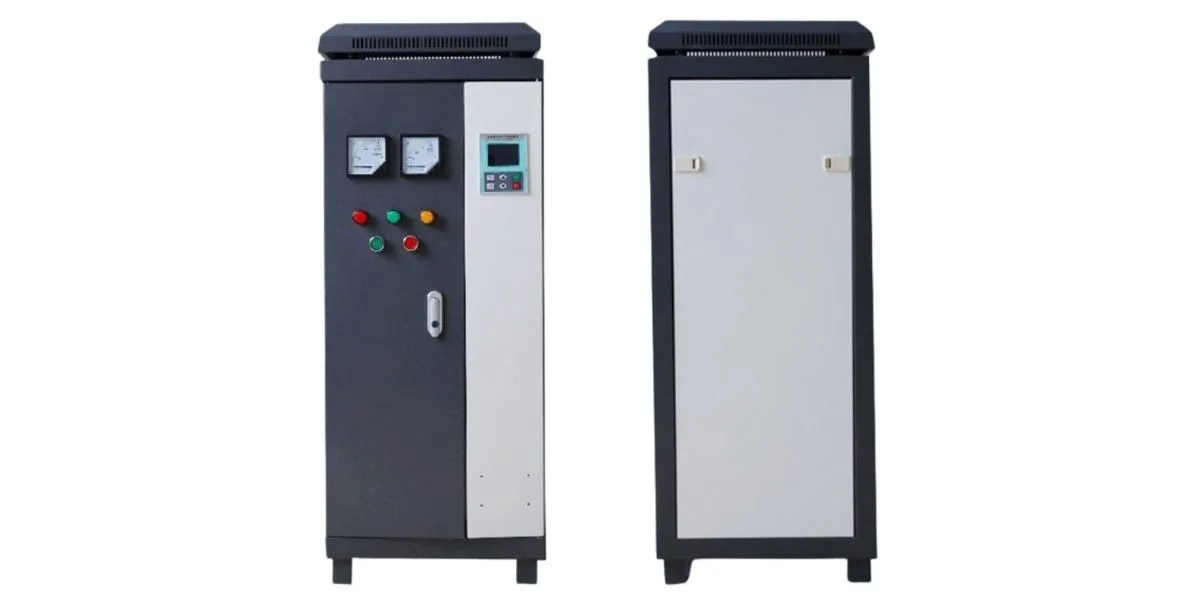
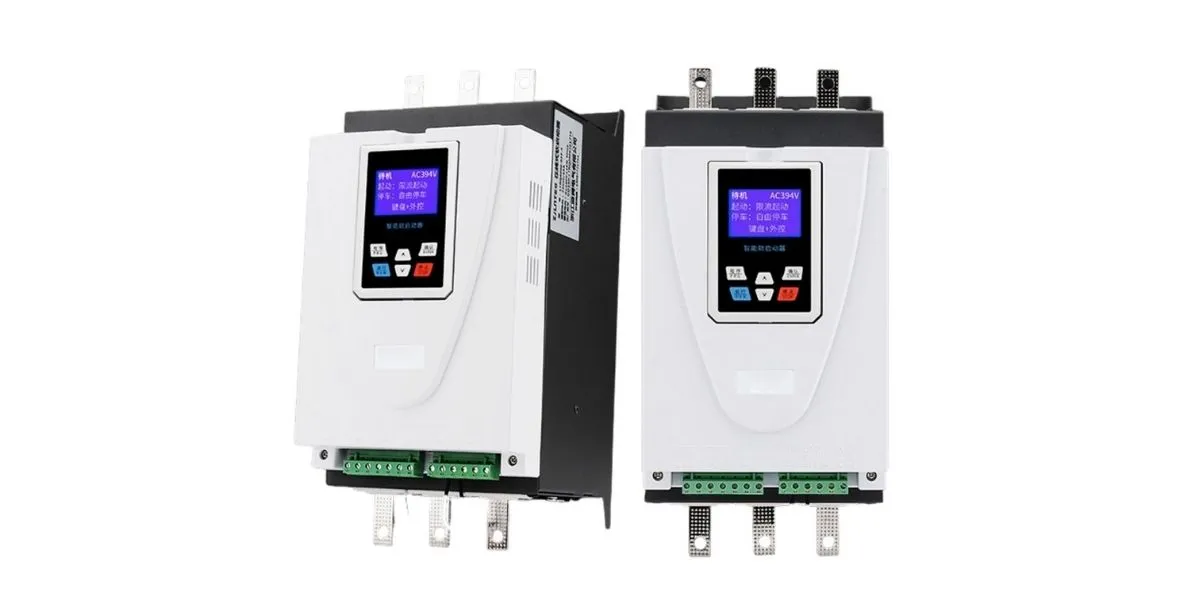
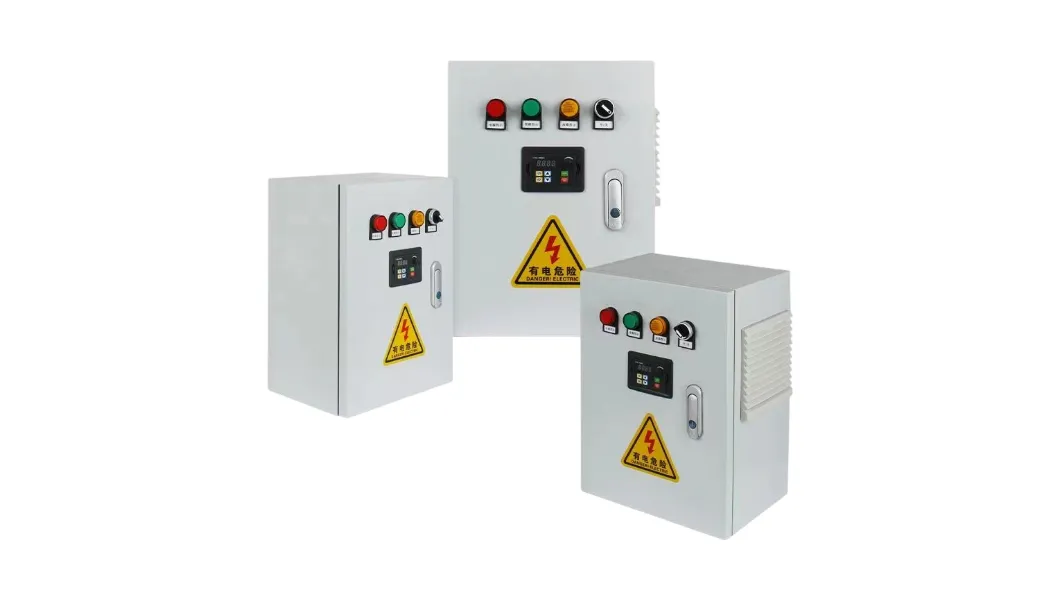
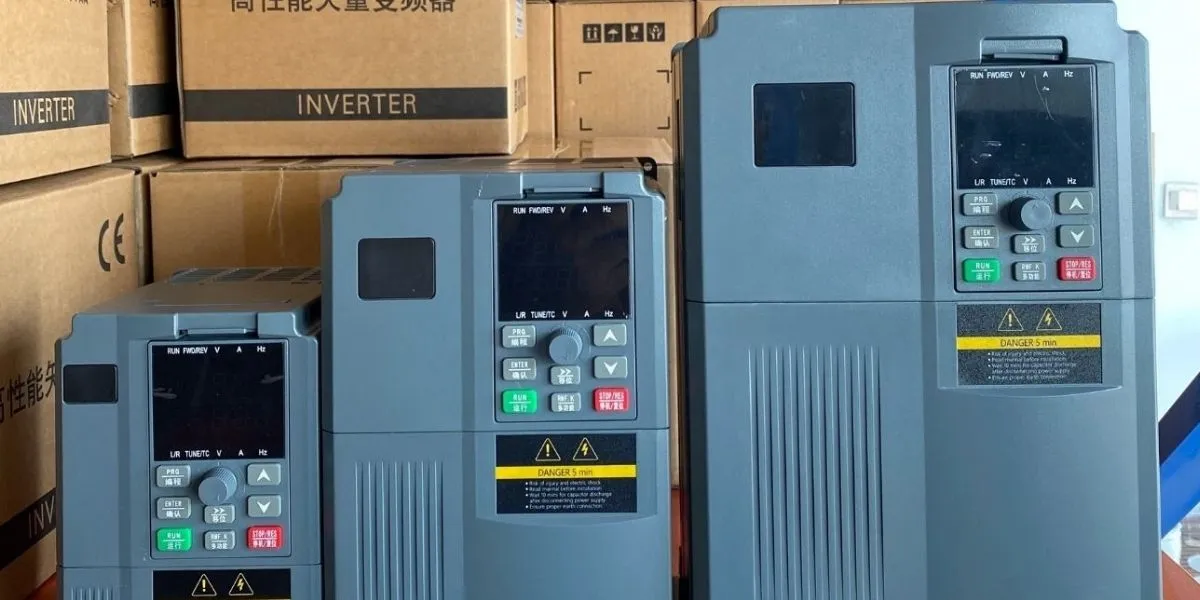
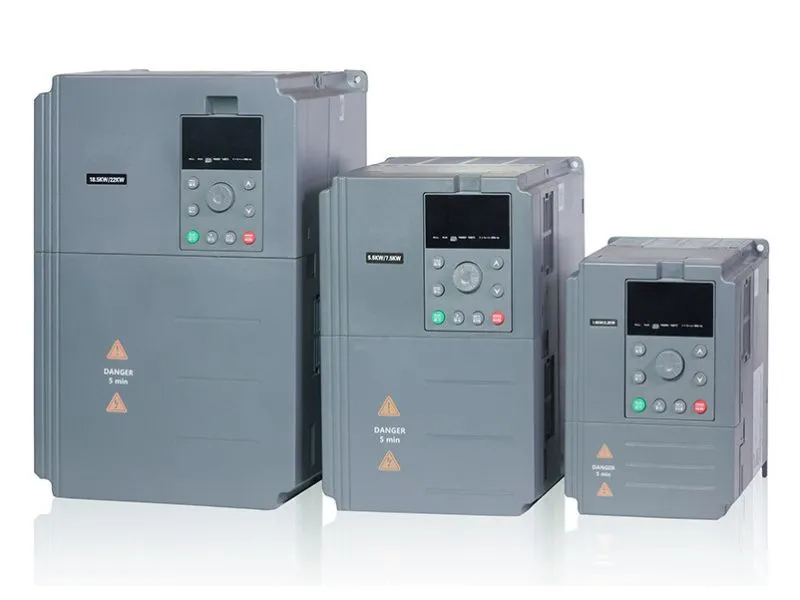
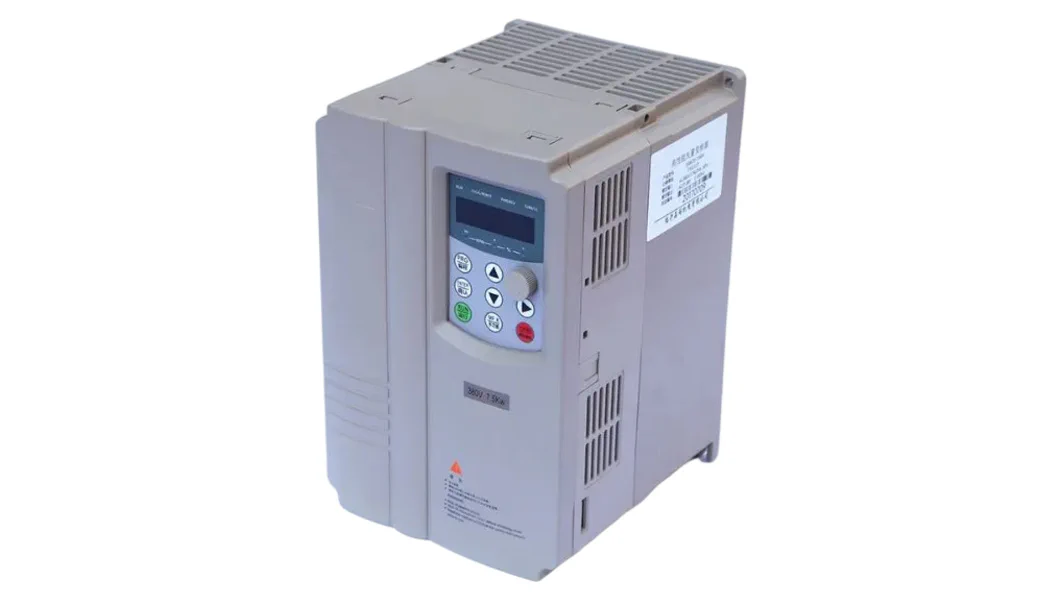
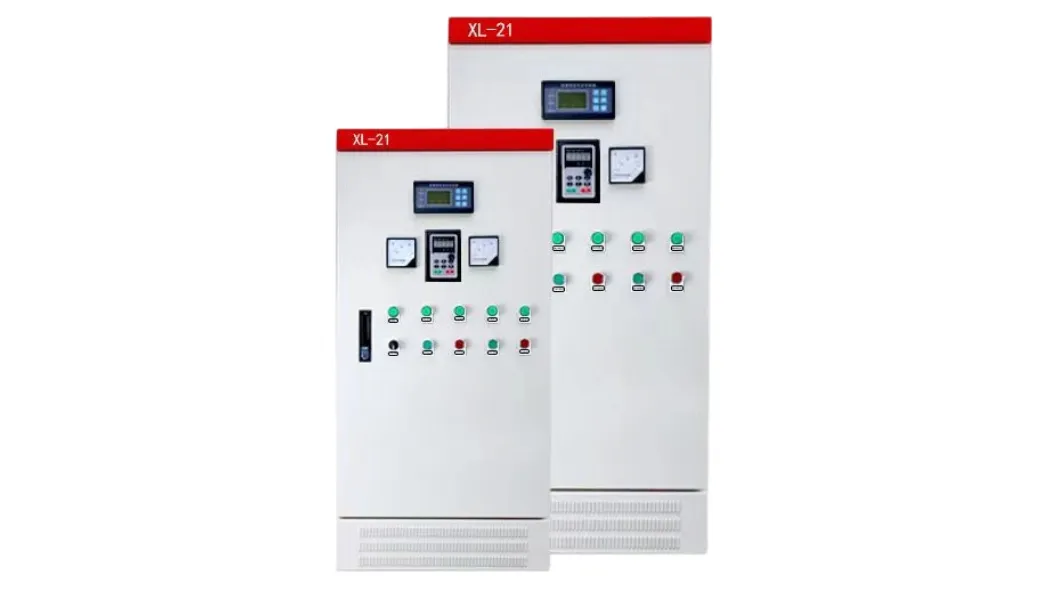
Including smart circuit breakers, smart switchgear, smart meters, smart sensors, etc. These devices have data acquisition, communication, and remote control functions, and can real-time monitor equipment operating status and power quality.
2. Communication Network
Using industrial Ethernet, fieldbus, and other communication technologies to realize data transmission and interconnection between devices, building a reliable industrial communication network.
3. Monitoring and Management Platform
A monitoring and management platform based on cloud computing and big data technology, which can realize data acquisition, real-time monitoring, data analysis, fault warning, and report generation functions, providing users with comprehensive energy management solutions.
4. Edge Computing Nodes
Deploy computing nodes at the edge close to the equipment to realize local processing and real-time analysis of data, reducing data transmission delay and improving system response speed.
2. Main Functions of Smart Power Distribution Systems
1. Real-time Energy Monitoring
Smart power distribution systems can real-time monitor the power consumption of various areas and equipment in the factory, including voltage, current, power factor, harmonics, and other power quality parameters, helping enterprises fully understand energy usage conditions.
2. Load Management and Optimization
Through analysis of load data, the system can identify energy waste points and optimization opportunities, provide load optimization suggestions, help enterprises rationally allocate energy resources, and reduce energy consumption.
3. Fault Warning and Diagnosis
The system can real-time monitor equipment operating status, and through data analysis and machine learning algorithms, predict possible faults in advance, and provide fault diagnosis and maintenance suggestions, reducing equipment downtime and improving production efficiency.
4. Power Quality Analysis
Smart power distribution systems can comprehensively analyze power quality, including harmonics, voltage fluctuations, frequency deviations, etc., helping enterprises identify power quality problems and take corresponding governance measures.
5. Remote Control and Management
Users can remotely control power distribution equipment through the monitoring and management platform, realizing operations such as remote closing and opening, reducing on-site operations and improving management efficiency.
3. Application Cases of Smart Power Distribution Systems in Modern Factories
Case 1: A Automotive Parts Manufacturing Factory
After adopting the smart power distribution system, the factory achieved the following effects:
- Energy consumption reduced by 15%, saving about 2 million yuan in electricity costs annually
- Equipment failure downtime reduced by 30%, improving production efficiency
- Power quality problems were effectively managed, and equipment life was extended by 20%
- Realized digitalization and visualization of energy management, improving management efficiency
Case 2: An Electronic Manufacturing Factory
After introducing the smart power distribution system, the factory achieved remarkable results:
- Through load optimization, peak electricity demand was reduced by 12%, reducing demand electricity costs
- Realized real-time monitoring and fault warning of key equipment, avoiding multiple major equipment failures
- Through energy data analysis, identified multiple energy waste points, and saved a lot of energy costs after optimization
- Established a complete energy management system and passed ISO 50001 energy management system certification
4. Advantages of Smart Power Distribution Systems
1. Energy Saving and Consumption Reduction
Through real-time monitoring and load optimization, smart power distribution systems can help enterprises reduce energy consumption and energy cost expenditure.
2. Improve Equipment Reliability
Through fault warning and diagnosis functions, the system can detect equipment fault hidden dangers in advance, reduce equipment downtime, and improve production efficiency.
3. Improve Power Quality
Smart power distribution systems can comprehensively monitor and analyze power quality, helping enterprises solve power quality problems and extend equipment life.
4. Improve Management Efficiency
Through digital and visual management platforms, enterprises can realize automation and intelligence of energy management, improve management efficiency, and reduce management costs.
5. Support Intelligent Manufacturing
As an important part of Industry 4.0, smart power distribution systems can be integrated with other intelligent manufacturing systems to support enterprises in achieving comprehensive digital transformation.
5. Development Trends of Smart Power Distribution Systems
1. Wide Application of Edge Computing
With the development of edge computing technology, more and more data analysis and processing will be completed at the edge, improving system response speed and reliability.
2. Deep Integration of Artificial Intelligence and Machine Learning
By introducing artificial intelligence and machine learning algorithms, smart power distribution systems will have stronger predictive analysis capabilities, and can more accurately predict equipment faults and energy demand.
3. Application of 5G Communication Technology
The high bandwidth and low latency characteristics of 5G communication technology will provide more reliable communication support for smart power distribution systems, realizing more real-time data transmission and remote control.
4. Construction of Energy Internet
Smart power distribution systems will be integrated with renewable energy, energy storage systems, etc., to build an energy internet, realizing efficient utilization and optimal configuration of energy.
5. Standardization and Modular Design
Future smart power distribution systems will adopt standardized and modular design, improving system scalability and compatibility, reducing system integration difficulty and cost.
6. Conclusion
As the core solution for energy management in modern factories, smart power distribution systems have many advantages such as energy saving and consumption reduction, improving equipment reliability, improving power quality, and improving management efficiency. With the development of Industry 4.0 and intelligent manufacturing, the application of smart power distribution systems will become more and more widespread, becoming an important part of enterprises’ digital transformation.
For enterprises, introducing smart power distribution systems can not only reduce energy costs and improve production efficiency, but also enhance enterprises’ competitiveness and sustainable development capabilities. Therefore, enterprises should actively embrace smart power distribution technology, accelerate the digital transformation of energy management, and contribute to the realization of green manufacturing and sustainable development.